Capodanno cinese: le celebrazioni della Festa di Primavera nel mondo [FOTO]

LaPresse/Xinhua
LaPresse/Xinhua
LaPresse/Xinhua
LaPresse/Xinhua
LaPresse/Xinhua
LaPresse/Xinhua
LaPresse/Xinhua
LaPresse/Xinhua
LaPresse/Xinhua
LaPresse/Xinhua
LaPresse/Xinhua
LaPresse/Xinhua
LaPresse/Reuters
LaPresse/Reuters
LaPresse/Reuters
LaPresse/Reuters
LaPresse/Reuters
LaPresse/Reuters
LaPresse/Reuters
LaPresse/Reuters
LaPresse/Reuters
LaPresse/Reuters
LaPresse/Reuters
LaPresse/Reuters
LaPresse/Reuters
LaPresse/Reuters
LaPresse/Reuters
LaPresse/Reuters
LaPresse/Reuters
LaPresse/Reuters
LaPresse/Xinhua
LaPresse/Xinhua
LaPresse/Xinhua
LaPresse/Xinhua
LaPresse/Xinhua
LaPresse/Xinhua
LaPresse/Xinhua
LaPresse/Xinhua
LaPresse/Xinhua
LaPresse/Xinhua
LaPresse/Xinhua
LaPresse/Xinhua
LaPresse/Xinhua
LaPresse/Xinhua
LaPresse/Xinhua
LaPresse/Xinhua
LaPresse/Xinhua
LaPresse/Xinhua
LaPresse/Xinhua
LaPresse/Xinhua
LaPresse/Xinhua
LaPresse/Xinhua
LaPresse/Xinhua
LaPresse/Xinhua
LaPresse/Reuters
LaPresse/Reuters
LaPresse/Reuters
LaPresse/Reuters
LaPresse/Reuters
LaPresse/Reuters
LaPresse/Reuters
LaPresse/Reuters
LaPresse/Reuters
LaPresse/Reuters
LaPresse/Reuters
LaPresse/Reuters
LaPresse/Reuters
LaPresse/Reuters
LaPresse/Reuters
LaPresse/Reuters
LaPresse/Reuters
LaPresse/Reuters
LaPresse/Reuters
LaPresse/Reuters
LaPresse/Reuters
LaPresse/Reuters
LaPresse/Reuters
LaPresse/Reuters
LaPresse/Reuters
LaPresse/Reuters

Oltre che in Cina, la festività viene celebrata in molti paesi dell’Estremo Oriente e nelle innumerevoli comunità cinesi sparse in tutto il mondo
LaPresse/Xinhua
LaPresse/Xinhua

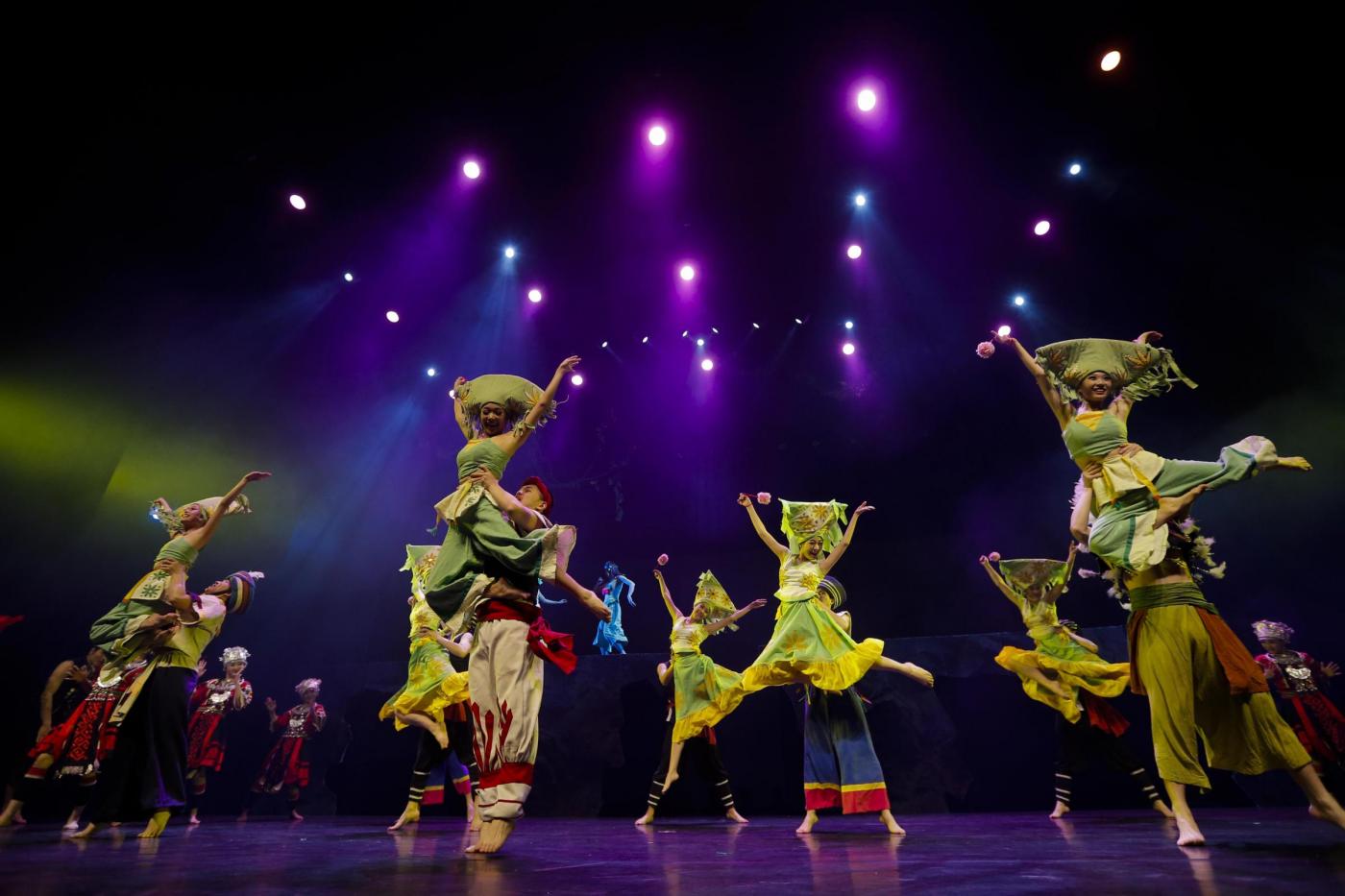
Oggi, 19 febbraio 2015, è la Festa di Primavera o capodanno lunare, noto in Occidente come capodanno cinese, una delle più importanti festività tradizionali cinesi che celebra per l’inizio del nuovo anno secondo il calendario cinese. Oltre che in Cina, la festività viene celebrata in molti paesi dell’Estremo Oriente e nelle innumerevoli comunità cinesi sparse in tutto il mondo.

Il calendario tradizionale cinese è lunisolare, cioè i mesi iniziano in concomitanza con ogni novilunio: la data d’inizio del primo mese, può variare quindi di circa 29 giorni, venendo a coincidere con la seconda luna nuova dopo il solstizio d’inverno, cosa che può avvenire fra il 21 gennaio e il 19 febbraio del calendario gregoriano. Le festività durano quindici giorni, concludendosi con la tradizionale festa delle lanterne.